




photo ButcherandBuschelBanner_zps60b017ff.jpg
Showing posts with label veterinary care. Show all posts

Tuesday, July 23, 2013

Ask the Vet Welcomes Dr. Julie Buzby

by Carrie Boyko, CEB

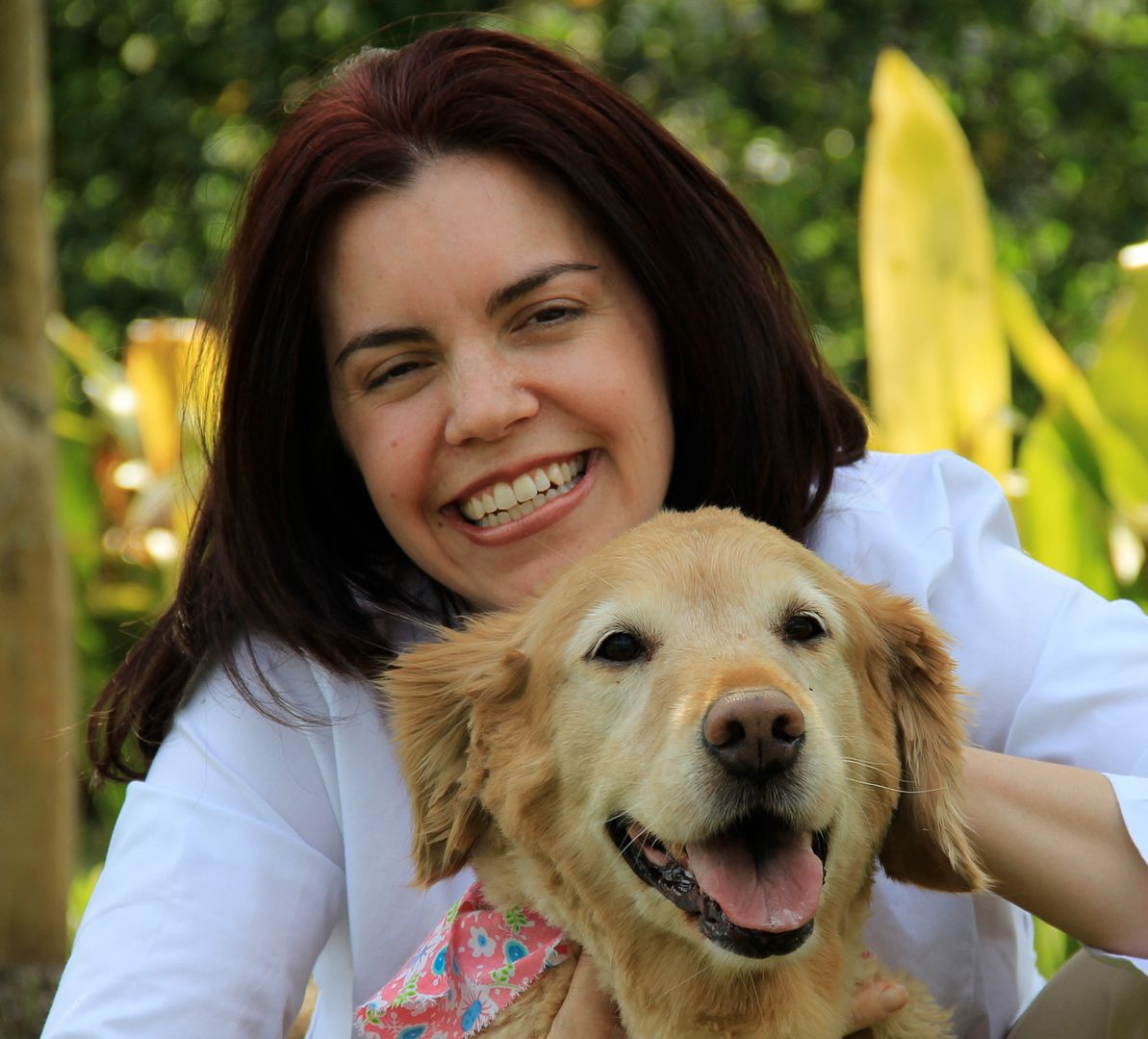
courtesy Dr. Julie Buzby
Dr. Julie Opens Up Shop
as our New Ask the Vet Columnist
Do you recognize this smiling face? Dr. Buzby was recently a guest blogger here, penning 10 Tips for Fido's Longest Life. She offered some terrific, very well-written tips and I had the pleasure of having a wonderful discussion with her by phone. The net result is that I can now introduce you to our newest Ask the Vet columnist. Welcome Dr. Julie!

This is one vet with some major energy. I'm not exactly sure how she has manages it all. In her relatively short life--when compared to my own--she has received her veterinary degree, furthered this with certifications in veterinary chiropractic and acupuncture, practiced for 16 years, owned her own practice, started a business sharing a terrific new invention for canine mobility, and is homeschooling her 7 children. I'm exhausted just thinking about her days.

Dr. Julie's enthusiasm for her family, clients, mobility products, and patient education all seem to share a similar quality: dedication. She absolutely bubbles when you speak with her in person. I made up my mind that she was our new columnist before we were 5 minutes into that engaging conversation.

Listening to her tell the story of the birth of ToeGrips really got me to thinking about Xena. Our beautiful Retriever mix girl began to struggle with getting up at the end of her life. When booties and other non-slip measures were not well-received, we placed beds and rugs in all her favorite resting places, to give her extra footing. She continued to avoid these spots in favor of the cool tile floor; we sure could have used ToeGrips with her!

As a holistic veterinarian, Dr. Buzby and I have a lot in common in our dreams for our pets. As we gear up for her to begin answering the veterinary questions I have collected from some of you, she'll be writing a more thorough post on each of the 10 points in her guest post linked above. Her goal is to offer you one of these posts each month; watch for her topics and learn more about how you can extend your pet's life.

In addition, Dr. Julie will soon be bringing you some answers. Thank you for your patience as I have worked to seek out a new Ask the Vet columnist. Dr. Mark's new practice is doing well but keeping him very busy. I wish him well!

Dr. Buzby's first installment will run tomorrow. Please do leave a comment. Let her know more about your interests and feel free to leave questions. We'll add them to our list and get to you as soon as possible. I also take your Ask the Vet questions at AllThingsDogBlog@gmail.com. 

You can learn more about Dr. Buzby by visiting her profiles at:

Twitter: @DrBuzby
Facebook: ToeGrips
Linkedin
ToeGrips.com 
Dawgbusiness
and photos at our All Things Dog Blog's Pinterest Page

After Dr. Buzby gets rolling, we'll be sure to add her posts to the Ask the Vet Archives, allowing you to research topics of interest in this area. 

Follow Me on Pinterest

Sunday, July 22, 2012

Canine Eye Care

Guest Post by Carmen Colitz, DVM, PhD, DACVO, and
Terri McCalla, DVM, MS, DACVO
© courtesy Orin Zebest via Flickr.com
Prevent Blindness

 with Nutritional Supplements
Humans fear cancer and blindness above most other health problems. These fears also extend to our dogs. We are able to communicate our problems to our physician, but dogs cannot verbally do so, instead, they may have subtle physical or behavioral changes that most owners cannot understand, often making the problem worse at diagnosis. Dogs can instinctively “mask” signs of pain and vision impairment very well; sometimes the only sign that a dog has eye pain is that it sleeps more than normal.

This means that we must be alert for any signs of eye disease in our dogs.  Squinting, excessive tearing, redness, cloudiness, or green or yellow discharge may indicate an eye problem.  Remember too, that if a dog is blind in one eye but sighted in the other eye, the dog may not show any signs of being blind.  A dog with at least 20% vision in one eye usually fools owners into thinking there is nothing wrong.  

If you suspect that your dog may have an eye problem, ask your veterinarian to examine your pet’s eyes. If they cannot pinpoint the dog eye problem, you may opt to bring your dog to a veterinary ophthalmologist. Veterinary ophthalmologists have specialized training and tools necessary to fully evaluate eyes, as your optometrist or ophthalmologist does. Eye problems in pets can become serious quickly, sometimes impairing sight and causing pain, therefore, waiting for the problem to pass is not wise. For a list of board-certified veterinary ophthalmologists, see www.acvo.org

Purebreed dogs may be predisposed to eye issues; these should be investigated prior to adopting the dog. A good place to start is Google. Input your dog’s breed and list the key words “eye” and “disease” and see what you find.  You can also access information through http://www.vmdb.org/history.html. This site lists eye conditions prevalent in different dog breeds. Another important piece of information is asking the breeder for information regarding your new dog’s parents and related dogs. A genetic eye evaluation, called a CERF (Canine Eye Registration Foundation) exam, is often performed on dogs prior to breeding.

Many breeds of dogs – and mixed breeds too—can develop genetic eye diseases that can affect vision and/or be painful.  These include PRA (progressive retinal atrophy), cataracts, glaucoma, and dry eye. It is beyond the scope of this article to discuss these diseases, but there are articles about the first three diseases at Dr. McCalla’s website: at http://www.animaleyecare.net/diseases/diseases.htm. 

While a healthy well-balanced diet may help any dog’s health, proper nutrition is not enough to achieve optimal ocular health.  A good proactive strategy, particularly for breeds prone to PRA and genetic cataracts, is to give these dogs the natural, nutraceutical, canine vision supplement, Ocu-GLO Rx, which was developed by the authors and a compounding pharmacist (see www.ocuglo.com). Ocu-GLO Rx can also be taken by healthy dogs of any age to promote overall wellness.

Tuesday, December 20, 2011

Ask the Vet with Dr. Mark:
Tuberculosis and Dogs

by Mark Nunez, DVM
© Carrie Boyko
TB is Serious in Dogs
Please Read Dr. Mark's Advice

Dear Dr. Mark: Hello there. My dad was just called by his doctor telling him it's a possibility he may have TB. My concern is for my 7 yr. old dog that stays with him while I'm at work. I'm concerned because I've read where the treatment in dogs can be toxic and they usually end up having to put them to sleep. I'm not wanting to accept that. Can you please tell me what I can expect as far as treatment options and what symptoms I should be looking for. I will also be contacting her veterinarian first thing tomorrow to schedule her an appointment.

Sincerely, Kathy G.
------------------------------------------------------------
Hi Kathy,

The risk of transmitting TB to your dog is pretty low, but not zero.  Dogs are more resistant to TB infection than humans are.  The symptoms in dogs can involve coughing, but will likely be lethargy, decreased appetite, vomiting, and weight loss.  Unfortunately there are about a thousand other diseases that present with these symptoms.  


The approach to preventing transmission would be the same precautions that we take to prevent transmission in humans, namely no spitting, coughing, or sneezing around your dog and good environmental hygiene.  Also, follow all of the same precautions that his doctor recommended for prevention in humans.  


Once the infectious period has ended with TB, we do not have to worry about transmission.  If your father's MD is comfortable with him being around other people, chances are he is okay to be around your dog.  


Skin testing is possible, but I would recommend that you go to a specialty hospital or veterinary college (if there is one in your area) to get this done.  If the result is negative, have the test repeated in 6 weeks to be sure.  If he should show positive, unfortunately euthanasia is what is typically recommended because of a poor response to treatment and the public health risk. Thanks for the question!

Dr. Mark
Dr. Nunez is a practicing veterinarian while also assisting patients through The Balanced Canine blog and his own online veterinary pharmacyHave a question for Dr. Mark? Send it to LetsAdoptaDogPark@gmail.com. You can also follow Mark on Twitter.

Want to read more from Dr. Mark? Try these, or visit his archives:


Dr. Mark's remarks do not replace an actual examination with a veterinarian.
Related Posts Plugin for WordPress, Blogger...
 
Blog Design by A Mommy's Blog Design (© Copyright 2011)
Header Banner created by Bill Henderson Design