




photo ButcherandBuschelBanner_zps60b017ff.jpg
Showing posts with label dog massage. Show all posts

Thursday, February 3, 2011

Ask the Vet, with Dr. Pat:
Getting Started with Dog Massage

by Pat Bradley, DVM
Relax and Bond with Your Dog
through Massage
Dear Dr. Pat:


I have seen some articles about dog massage that are interesting to me. My Jake has been showing signs of arthritis and is taking glucosamine for this. What I want to know is if some massage and stretching would be good for him. It seems like I have heard that is good for people with arthritis, so why not dogs? If so, any thoughts on how I could get started?


Thank you, Jennifer M.
------------------------------------------------------------


What a great topic, Jennifer! It‘s a wonderful idea to do massage and stretching with your dog. There are many proven benefits of massage, including decreased muscle pain and stiffness. And of course, I love anything we can do to strengthen the human-animal bond during the last years of life, when more physically demanding activities may not be possible.


I think a picture is worth a thousand words when it comes to massage. Luckily, the internet has countless free videos illustrating dog massage techniques, made by people with varying degrees of skill and knowledge. I like this site about massaging your animal, not only because the massage therapist has obvious training, but also because there are separate short videos for each body part. Having material broken down into parts always helps when we’re learning something new. Other websites such as The Lang Institute of Dog Massage in Colorado sells videos that are more in depth, and even offer onsite workshops.


One of my favorite forms of bodywork is “TTouch”, or Tellington Touch, named after Linda Tellington Jones. Linda’s books and videos are filled with heart-warming and inspiring stories of the animals she has helped through the use of her bodywork techniques. I highly recommend that you check it out – it’s not only easy and safe to practice at home, but can be very effective for many physical and mental conditions.


After one short workshop with Linda, I returned home and immediately put it to use in my vet practice. I was able to turn a tense horse into putty with just a few minutes of TTouch, making it super easy to do my exam and treatment without the use of tranquilizers. Needless to say, this totally convinced me (and the horse’s amazed owner) of its value.


Who knows, you might find that you and Jake like one of these techniques so much, you’ll want to get certified so you can offer it to others. But giving massages may result in a body ache or two for you, so don’t forget to go get a massage for yourself!


Thanks for writing,
Dr. Pat

(c) courtesy P.B.


Have a question for Dr. Pat? You can reach us at LetsAdoptaDogPark@gmail.comFor a personal consultation about your pet's needs, visit Holistic Veterinary Services.

Dr. Pat's opinion or advice does not replace an actual exam with a veterinarian

Top Blogs Digg! Pets Blogs all things dog Dog Blogs - Blog Catalog Blog Directory blogarama - the blog directory Blog Directory
Help protect our precious dog parks
© Carrie Boyko, all rights reserved

Enter your email address:


Delivered by FeedBurner
Follow All Things Dog at Twitter    Find me at Facebook    Dog Blogs - BlogCatalog Blog Directory
© copyright Carrie Boyko, all rights reserved
Delicious
Bookmark this on Delicious

Friday, July 2, 2010

The Dog Days of Summer: 10 Tips for Staying Cool Outdoors

by Carrie Boyko

Lazy Summer Days
The walks are already getting scorching hot here in Central Florida. This is the time of year when I wish I lived farther north. I have to take precautions for the heat to assure everyone stays healthy. Here's my plan:
(c) Carrie Boyko
Homemade Cooling Bandannas
have Soft Ice Packs Rolled into the Necktie
  • Walk first thing in the morning or after dinner, to avoid the heat of the day. I always adjust their mealtime to eat well before or after. We certainly don't want any chances of Bloat.
  • The streets are hot in the afternoon, so on those times when I must take the dogs out during the heat of the day, I take care to walk them on grass or cement sidewalk, which is much cooler than asphalt. Some dog owners even use booties for protection.
  • My senior girl, Xena, has a particularly thick, black coat. She doesn't handle the heat so well as her younger housemates, so our summer walks accommodate her by swinging by the house midway and dropping her off. She simply cannot take the 2+ miles that the younger two dogs need, and is generally ready for a cool house and some rest by the halfway point.
  • Tanner, my Golden Retriever, has a very short, thin coat for a Golden. This plays out well for him in the summer, as the heat is not much of an issue for him. He'd stay outside all day, if I'd stick around with him. Typical Golden--loves the outdoors. Because Tanner spends a lot of time on the pool deck (by choice) I make sure he gets a swim before or after our walk, to cool him down. Then he gets a good rinse, to wash the chlorine off his fur, and gets a nice rubdown with a towel. 
  • Oliver is not as much a fan of the water as Tanner, but even for him, a hose down on a hot day is sometimes welcome. Because he is so small, I am particularly concerned about dehydration, so I quickly whisk him inside for a drink.
  • My favorite approach to keeping the pups cool is the ice pack rolled up in their bandannas. I use the soft, pliable, frozen packs and roll them up in a bandanna. Then tie this around their neck to help keep them cool on a hot walk. This is a great tool for summer dog park visits, as well. You can also buy these in various forms. Just hit the link above.
  • Besides keeping the water bowl full, ice cubes and other frozen dog treats can be a fun and welcome nibble after a hot walk. Check out your grocer's freezer area for the available frozen dog treats, or try making some of your own. One tip: Be careful where you give them this goodie, to avoid staining carpet or floors. 
  • If your dog is not much for eating ice cubes or frozen treats, he may enjoy the cooling effect that the ice cubes have on his water. Dump a handful in his water bowl after a walk and watch him lap up the whole bowl.
  • If your dog is an outside dog, the summer heat is of particular concern. You'll want to create a few ways for him to keep well-hydrated: an extra large water bowl--enough to last all day--should be placed in the shade on a raised platform to help keep ants and other ground insects out. Before you leave for the day, drop a pitcherful of icecubes in it to help keep it cool. Also, placing a kiddie pool full of water in a shady area, will provide your pup with a welcome place to cool down, when the temperature rises.
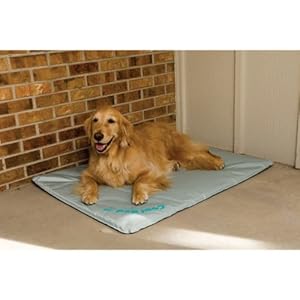
  • Finally, all outdoor dogs need plenty of shady spots to get out of the sun. While they may choose a shady area to dig a hole in the dirt for a cooling nap, you can provide a cleaner way for him to stay cool. Depending on your geography and yard layout, you could pick from some of these choices: a dog house with cross ventilation that is placed in the shade, a shade canopy, carport, or even a large shade tree can be the perfect, cooling spot for your dog's heat-of-the-day hideaway. If possible, consider a cooling mat, available from many pet stores or online.
Image courtesy of Amazon
Cooling Mats
 are Great for Outdoor Dogs
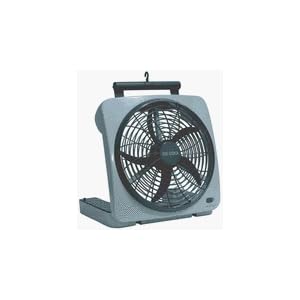
One bonus idea before I go. I have a couple of battery-operated 10" fans that will go anywhere. I picked them up at my local discount store; well worth the cost. You can also pick them up at the link above. They have hooks on them to allow for hanging on a dog crate, and include a built-in stand, as well. Using rechargeable batteries, they run for hours without needing a recharge. Perhaps your outdoor Fido might enjoy a cool breeze, if you have an appropriate place to put the fan, out of the risk of rain.
Whatever strategies you employ to keep your pup cool for the summer, you'll be gaining his trust and respect. Every time you offer him your respect and loving care, you'll get it in spades in return. Stay cool!
Protect our precious dog parks
© Carrie Boyko, all rights reserved

Enter your email address:


Delivered by FeedBurner
Follow All Things Dog at Twitter    Find me at Facebook    Dog Blogs - BlogCatalog Blog Directory
© copyright Carrie Boyko, all rights reserved
Delicious
Bookmark this on Delicious

Thursday, May 27, 2010

Preparing Your Puppy for a Life of Happy Vet Visits

by Carrie Boyko


Top Blogs


While at the vet with my pack recently, one of the pet nurses commented on how amiable all three of my dogs are when they come in for their regular exams and vaccinations. She went on to explain that many of the dogs who visit them are fearful, aggressive or anxious during their visits, which seems to result in a higher-maintenance visit for the vet and nurses.

Thinking back on my puppy raising days, I remembered that these problems are the reason for many of the daily handling activities that owners are encouraged to do with their pups. 


Below are a few of the tips that will help you prepare your pup for a less-anxious, more enjoyable experience at the veterinarian. The logic behind most of these tasks is to acclimate your puppy to the types of handling and activities that will occur at the vet. If your puppy is used to being handled in the same ways that the nurses and doctors do, they will be much less likely to be frightened. Daily practice, starting today, will help your furry friend be a much happier patient, and that is good for both of you.

  • Begin human socialization immediately upon taking your puppy home; take him out to meet others and encourage everyone who visits to play with and handle him.
  • Emphasize a variety of different looking people in your socialization exercises: wheelchairs, canes, blacks, whites, beards, curly hair, you get the picture. Your pup needs to see it all during these formative first few months. Be sure to include folks in various types of uniforms as well. Fearful dogs have often been known to target uniformed people like mail carriers, police and even veterinarians.
  • Demonstrate leadership when socializing your pup by always showing your complete and total confidence in the presence of different looking people and places. You will be setting the example for your pup's lack of nervous energy at the vet, if you greet the vet warmly and show Rover how enjoyable it is to be there.
  • Expose your puppy to noises of all kinds as well--printers, phones, meowing cats, barking dogs, and yes, even bigger groups of them, when she is ready.
  • Handle your puppy daily in many of the ways your vet will do this, checking ears, eyes, teeth, abdomen, tail, backside and pads of the feet.
  • For many pups the toes may be a sensitive area. If so, choose a soothing foot-pad massage instead, gradually getting deeper between the toes as your puppy begins to grow larger and accept this manipulation.
  • Praise the puppy lavishly each time she allows you to examine an area that you need to get good visibility in. Trust me, one day when you need to pull a tick from between her toes, you'll need her to cooperate. Now is the time to prepare her for this eventuality.
  • You can even mimic an eye check. First allow your pup to sniff and examine the flashlight. Then use it to dart the light quickly past her eyes, praising her when she handles this with moderate ease.
  •  Include gentle snout massages in your routine to prepare the puppy for a nose exam. Treat her when she willingly allows you to massage or stroke her snout, as this is another extremely sensitive area on most dogs.

If you get your puppy used to being held, handled, checked and socialized with people, she will show you quite quickly that she can be a terrific patient. It just takes some diligence to practice these moves daily.

One final tip…most vets use a large scale to weigh your pup on. You can use a dark floor mat or other low, stable item to practice weighing. Teaching your puppy to sit on the scale will assist with getting an accurate weight. Most puppies can learn the sit command within a couple of days of starting to practice. Check back for my post of teaching sit, coming soon here at All Things Dog Blog.


Help protect our precious dog parks
© Carrie Boyko, all rights reserved

Enter your email address:


Delivered by FeedBurner
Follow All Things Dog at Twitter
Find me at Facebook

Dog Blogs - BlogCatalog Blog DirectoryDelicious Bookmark this on Delicious © copyright Carrie Boyko, all rights reserved
Related Posts Plugin for WordPress, Blogger...
 
Blog Design by A Mommy's Blog Design (© Copyright 2011)
Header Banner created by Bill Henderson Design